
Are you interested in learning more about the newest and most effective cloud CCTV systems available in the UK?
If so, then you’re in the right place. This blog post delves into the technologically advanced solutions of cloud-based video surveillance.
We answer the most common questions and highlight the features that make cloud CCTV perfect for businesses and households.
Read on to learn more about how this innovative technology works and how it could make all the difference regarding your security needs.
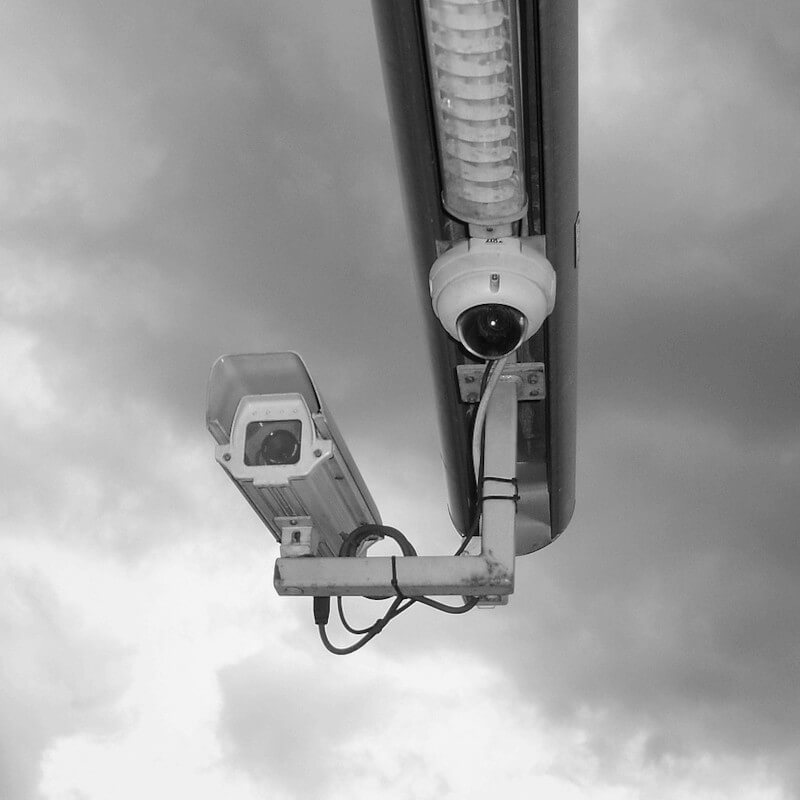
Cloud CCTV is a video surveillance system that uses the internet to store and manage all footage captured.
The footage is securely stored in the cloud, making it easy to review and take action if needed (from anywhere in the world, 24/7).
This technology has become increasingly popular as businesses and homeowners seek more effective solutions to protect their premises and personnel.
The cloud is a network of remote servers hosted by a third-party provider.
The technology behind it means that information is not stored on one specific server but spread across multiple geographically dispersed locations.
This gives you peace of mind that your data remains highly secure and accessible from anywhere with an internet connection.
Gone are the days of purchasing and maintaining recording equipment such as a Digital Video Recorder (DVR) or Network Video Recorder (NVR).
Cloud CCTV systems do away with these bulky items and instead utilise the flexible storage capacity of remote cloud servers.
The three main types of cloud CCTV systems are hybrid cloud, direct-to-cloud and cloud connectors.
Hybrid cloud systems offer an excellent solution for those with security concerns as they combine cloud and local storage advantages.
The cameras can record footage on their hard drives and also send it to the cloud for storage.
This makes it ideal should there be any interruption of your internet connection and gives you peace of mind that nothing will ever go unseen.
Direct-to-cloud systems offer a convenient way to access surveillance footage at the click of a button.
However, if your internet connection drops or becomes unstable, your cameras can become temporarily ineffective. Without consistent bandwidth and properly configured network ports, they cannot upload video to the cloud servers.
Cloud connectors are used to help homes and businesses transition to cloud recording.
By connecting a local security camera to a cloud connector, images can be processed and uploaded directly to the cloud portal.
Cloud connectors are great if you have a few cameras, but can get expensive if you have many cameras to upgrade.
In that situation, a new CCTV installation professionally managed and maintained by i2 Security & Fire Protection could be more cost-effective in the long run.
Give us a call today to find out more.
Our dedication to quality means no corners are cut regarding the brands we work with. We only install the most dependable and long-lasting cloud CCTV systems. The two most popular with our clients are Motorola Ava and Verkada.
Ava’s innovative video surveillance solutions offer unparalleled security for your people, property and data.
Enhance existing on-premises camera systems with real-time anomaly detection notifications, coupled with the powerful search capabilities offered by a cloud-connected interface.
Forget the frustration of complex, out-of-date security systems and enter a world of intelligent cloud-based surveillance solutions with Verkada.
Easy to manage yet incredibly secure, let Verkada and i2 help you enjoy total peace of mind for all your video monitoring needs.
The benefits of cloud-storage CCTV are increased security and accessibility, reduced costs, remote maintenance, automation, scalability and shareability.
Cloud CCTV systems store footage off-site in secure, encrypted data centres and are immune to physical tampering, theft, or destruction from on-premises incidents, such as fire or vandalism.
Leading providers implement end-to-end encryption, multi-factor authentication, and advanced cybersecurity protocols to protect against unauthorised access and hacking attempts.
With cloud-based surveillance, authorised users can access live and recorded video feeds from any internet-connected device (laptops, smartphones, tablets, etc.) at any time and from anywhere.
This is especially valuable for organisations with multiple sites or for security staff who need to monitor premises remotely or on the go.
Cloud CCTV removes the need for expensive on-site servers, recorders, and related maintenance, which lowers both initial capital expenditure and ongoing operational costs.
Subscription-based pricing models allow users to pay only for the storage and features they need, with flexible plans that can be adjusted as requirements change.
Reduced power consumption and the absence of hardware maintenance further contribute to cost savings.
Cloud systems are managed and updated remotely by the provider, ensuring the latest security patches and features are always in place without requiring on-site technician visits.
Issues can be diagnosed and resolved remotely, which reduces downtime and the costs associated with service calls. This proactive approach to maintenance keeps the system protected against emerging cyber threats and compliant with all applicable regulations and laws.
Most modern cloud CCTV platforms integrate artificial intelligence and analytics to automate monitoring tasks.
AI features include advanced motion detection that distinguishes between genuine threats and false alarms, facial recognition for identifying individuals, and behavior analysis to detect unusual activity patterns.
These capabilities enable real-time alerts and proactive threat detection, allowing security personnel to respond swiftly to incidents-often before they escalate.
Cloud infrastructure is not limited by physical server space, so homes and businesses can adapt their surveillance coverage to match growth or changing needs, whether scaling up for a new site or scaling down during quieter periods.
Cloud storage makes it easy to securely share video clips with authorised personnel, law enforcement, insurance companies, etc.
Footage can be sent via secure links, email, or SMS, and access can be tightly controlled and audited to ensure compliance with privacy regulations.
This rapid, controlled sharing streamlines investigations and supports faster resolution of incidents.
The risks of cloud CCTV include hacking, outdated firmware, encryption vulnerabilities, consent issues, internet dependency and latency.
One of the most significant risks of cloud-based CCTV is unauthorized access to surveillance footage.
If cloud providers’ security measures are inadequate, hackers can potentially breach systems and access sensitive video recordings.
With manufacturers rushing products to market, cloud camera devices often contain firmware that’s already weeks or months out of date when they reach consumers.
Default credentials represent another major security flaw. If you never change the default login details that came with your system, hackers can use them to gain unauthorised access.
Some cloud CCTV providers fail to encrypt communications properly.
For example, according to NHS England, Xiongmai’s XMeye P2P Cloud service was found to have a vulnerability where communications (including user video feeds and login credentials) weren’t encrypted by default.
Cloud CCTV systems often lack transparency about where data is stored, processed, and accessed, which undermines informed user consent.
Many users are unaware that their data may be transferred across multiple jurisdictions. For example, Microsoft routinely stores EU data in the US, according to ISACA.
Unlike traditional on-premises systems, cloud CCTV relies entirely on internet connectivity.
If internet access is disrupted due to outages, power failures, or deliberate sabotage, your cloud system may cease recording entirely unless it has a local backup storage.
Cloud-based video management systems can suffer from latency (the delay between an event being captured and its display on monitoring systems).
While on-premises systems connected via LAN might experience just milliseconds of latency, cloud systems require data to travel across the internet through multiple routers, switches, and servers. This could potentially create significant delays that impact real-time monitoring capabilities.
The cost of cloud-based CCTV systems can vary depending on the specific system, its features and the provider.
Generally speaking, you can expect to pay a one-time fee for installation and setup, as well as an ongoing subscription fee.
Speak to one of our friendly and knowledgeable team today to start designing your perfect cloud-based CCTV system.
When installing a cloud storage solution, consider the bandwidth your business or property needs for smooth, uninterrupted operation.
HD video recordings can take up a sizeable amount of space (a 60-minute 1080p file is between 2.5GB and 4GB in size). Uploading HD CCTV footage to the cloud poses challenges due to its time-consuming nature and the stress it places on internet bandwidth.
Our team has experience in helping customers calculate their exact requirements and can help provide advice on installing an efficient system. Give them a call today.
Yes, an IP camera (or internet protocol camera) is a good CCTV camera. It uses the internet to transmit video and audio signals and eliminates the need for bulky wires and complex (and often messy) installation.
Yes, your cloud CCTV system will still work during a power cut if it has a backup battery to keep the cameras running and recording to the cloud.
You can install your own cloud storage for CCTV, but we recommend using a professional service such as i2 Security & Fire Protection for the best results. Not only will you get an expertly installed system, but you’ll also have access to ongoing maintenance and support and be 100% certain that your system is legal and compliant.
Yes, most cloud CCTV storage systems come with dedicated smartphone apps that allow you to view your CCTV footage remotely.
Protecting your cyber security when using a cloud camera system requires a combination of online and physical security best practices. The top three ways to stay secure are:
Choosing a cloud CCTV system is a great way to keep your property safe and secure. Its ability to store data in the cloud means you can access camera footage from anywhere, and it’s easily shareable with authorised personnel.
But like any security system, there are potential risks associated with switching to the cloud that need to be considered, such as data security, cost implications, and bandwidth requirements.
Want to know more about how i2 can help you find the best cloud-storage CCTV solutions?
We’ve over 10 years of CCTV cloud storage experience and look forward to helping with your next project. We can upgrade your legacy CCTV system or design a bespoke one for you.